How Influencers and Content Creators Use Phone Mockups to Monetize Their Brand
There’s a moment every content creator knows well. You’ve built something you’re genuinely proud of a new app, a digital product, a sleek website and now you need to show it to the world. A plain screenshot just won’t cut it. It feels flat, forgettable, almost apologetic. So what do the most successful influencers and creators do instead? They reach for a phone mockup, and they never look back.
The Visual Economy: Why Presentation Is Everything
We live in a scroll-stopping world. On Instagram, TikTok, Pinterest, and LinkedIn, you have roughly 1.5 seconds to grab someone’s attention before they’re gone forever. In that context, how your work looks matters just as much as what it actually does.
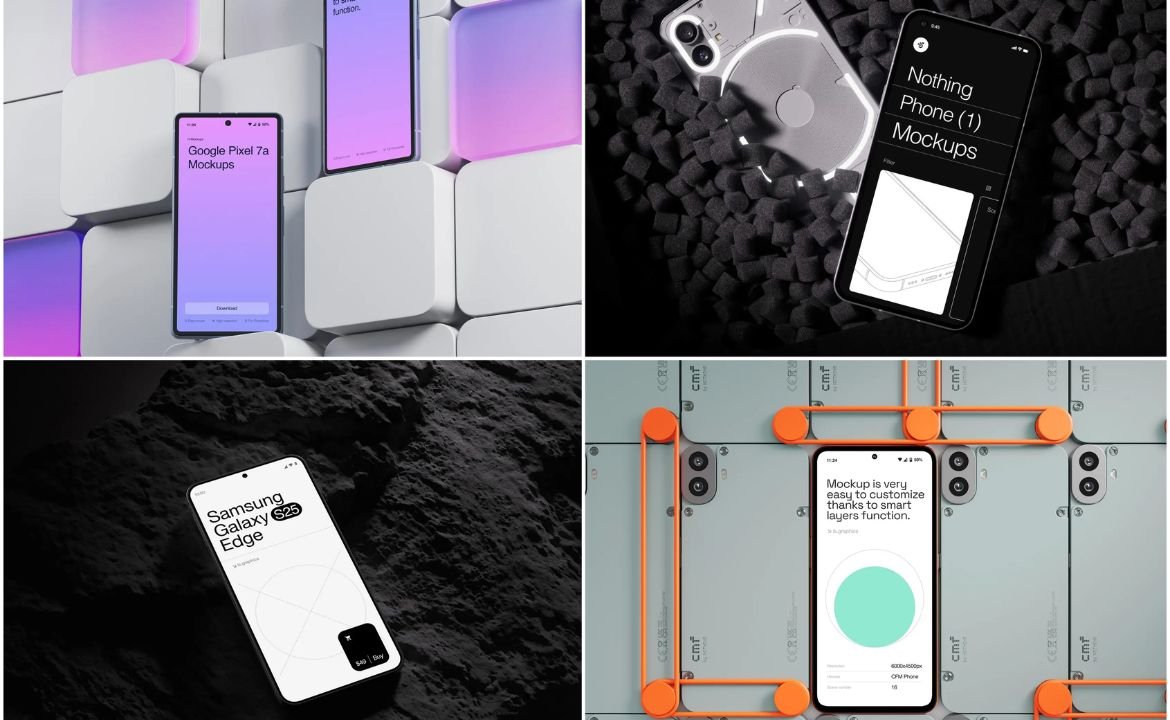
A phone mockup a professionally designed template that places your screen design inside a photorealistic device transforms raw screenshots into polished, brand-ready visuals. It’s the difference between handing someone a napkin sketch and presenting a framed piece of art. Same idea, completely different reaction.
For influencers and content creators, this isn’t vanity. It’s strategy.
How Creators Are Actually Making Money With Mockups
The monetization angle here is more direct than most people realize. Let’s break down the specific ways creators are turning mockup-driven visuals into real income.
Selling Digital Products Designers, UX professionals, and template creators sell their work on platforms like Gumroad, Etsy, and Creative Market every day. A stunning mockup presentation doesn’t just make the product look good it dramatically increases conversion rates. Buyers are essentially purchasing a vision, and mockups make that vision tangible.
Brand Partnerships and Sponsored Content When an influencer lands a partnership with a tech brand or app company, the deliverable almost always includes polished visual content. Mockup-enhanced posts look professional enough to justify premium rates. Creators who consistently deliver high-quality visuals command higher fees it’s that simple.
App Promotion and SaaS Marketing Indie developers and micro-SaaS founders who build personal brands around their products use phone mockups obsessively. A beautifully rendered app screenshot shared on X (formerly Twitter) or LinkedIn can go viral in developer communities, driving downloads without spending a cent on ads.
Real-World Examples: Mockups in Action
The proof, as always, is in the execution. Here are genuine use cases where phone mockups have made a measurable difference.
- Notion template sellers on Etsy regularly use mockups to showcase their mobile-friendly designs. Listings with device mockup previews consistently outperform those with plain screenshots, sometimes by 3–4x in click-through rates.
- Fitness app influencers partnering with health tech brands use mockups to demonstrate app UI in lifestyle contexts think a phone mockup placed next to a yoga mat or protein shake. The product feels integrated into real life, making the endorsement feel natural rather than forced.
- UX designers on Dribbble and Behance present entire case studies using multiple phone mockup angles. This visual storytelling helps them attract freelance clients and full-time job offers simultaneously.
- Course creators promoting their educational apps or mobile-optimized course platforms use mockup visuals in their launch campaigns, making their offering look immediately credible and investment-worthy.
These aren’t edge cases. This is the standard practice among creators who take their visual brand seriously.
The Tool Behind the Aesthetic: Phone Mockups on ls.graphics
If you spend any time in design circles, you’ll hear the name ls.graphics come up and for good reason. Their phone mockup collections have become something of a quiet industry standard among creators who care about quality.
What makes them stand out isn’t just the aesthetics (though those are genuinely excellent). It’s the thoughtfulness baked into every file:
- Ultra-realistic rendering the lighting, shadows, and reflections are rendered with a level of detail that makes digital compositions look like actual photographs. No uncanny valley, no telltale “this was made in Photoshop” glow.
- Organized, editable layers every mockup is structured so that even someone with basic design skills can swap in their screen in minutes. No hunting through a labyrinth of unnamed layers.
- Multiple angles and perspectives front-facing, isometric, hand-held, flat lay the variety means you can build an entire campaign from a single mockup pack without visual repetition.
- Different color styles light, dark, bold, minimal. The flexibility means your mockup adapts to your brand palette rather than the other way around.
- Stylish, minimalistic compositions there’s a restraint to the design that keeps the focus exactly where it belongs: on your content. Nothing competes with your screen.
For creators who value their time and their brand image equally, this combination of quality and usability is hard to beat.
Building a Consistent Visual Brand With Mockups
Consistency is the quiet superpower of successful content creators. Audiences don’t just follow people they follow aesthetics. When every post, every product preview, every launch announcement shares a coherent visual language, brand recognition compounds over time.
Phone mockups play a structural role in this consistency. By choosing a signature style say, always using a clean white background with a single device at a slight angle creators build visual equity. Followers start to recognize the format before they even read the caption.
This is how solo creators compete with entire marketing departments. Not by spending more, but by being deliberate.
Conclusion
The creators winning the attention game in 2025 aren’t necessarily the ones with the biggest budgets. They’re the ones who understand that presentation is persuasion. A well placed phone mockup turns a good product into an irresistible one, transforms a sponsored post into a premium deliverable, and makes a solo creator look like a full studio operation.
Whether you’re launching an app, selling templates, or pitching to brand partners, investing in quality mockup assets pays for itself almost immediately. Resources like ls.graphics exist precisely because the gap between amateur and professional visuals has never been more visible or more consequential. Close that gap, and watch what happens to your brand.